Showing posts with label Prayer. Show all posts

Saturday, April 12, 2014

When the Bud Cracks?

Photo by Epsos.de

Does the bud hurt when it cracks?
When Life bulges out of its conical chocolate shell
In mint green then red or vivid pink,
Does the bud cry out in pain,
Why God? Why are you doing this to me?
Why can’t I remain a pretty little thing 
on the end of my branch?
Why must I always be giving way 
to something other, something more?

Friday, January 31, 2014

Why Doesn't God Heal Everyone Who Asks?

When I was growing up, one of my best friends was Nathan Fischner who was born with a whole in his back (spina bifida).  He could walk only with a full lower-body brace and custom crutches, but he was an expert wheel chair racer and taught me the art and joy of the stationary wheelie.  Nathan is trained as a computer scientist, but for now he is working as a gem cutter.
A few years ago, I was preaching about a story of Jesus' healing a lame man, and I remembered Nathan.  I wondered how he reads this text and how he deals with the issue of healing from the perspective of one who has a life-long handicap.  His response - which has been percolating for quite some time - is thoughtful, personal, vulnerable, and at times profound.  With his permission, I am glad to post his answer here.

Nathan Fischner: You asked me in an email some years ago why it was that one does not say, "Rise up and walk!" to one who needs healing, and then send them on their way.  Why DON'T we ALL just go around mass healing the injured, disabled, and sick.  It seems so simple... and yet so many stay as they are.  The world God has made is a very big place, in terms of the possibilities of expressing his love to those he created in his own image.  There must, therefore, be more to it than it first seems.

I say that when it is revealed to us in terms we understand, we must accept God's will as a small trusting child would, without agenda and without expectations other than he is our Father and wants the best for us.  That being said, we are taught by Jesus himself to go into a quiet, secluded room, and, by the model prayer He gave us, to think on a much larger prayer than simply a need.  One is to acknowledge Him, His greatness and authority, and to truly rejoice before Him concerning what He has done for them and what this person has seen Him do for others (thankfulness isn't just presenting a list of items you have noticed done for you).  A little child, as we are meant to envision, comes to the Father saying "Please, fix this.", because the child has reached the end of his/her own resources, and the problem is something that they don't feel they can go on past without help.

Friday, January 10, 2014

"Help, Thanks, Wow" by Anne Lammot - Book Review

Anne Lammot's quirky, self-effacing humor makes spirituality fun, feasible, and ordinary.  Her approach is so clear of religiosity and Christianese.  Her simple words on topics of depth and pain invite us to pray more honestly and more often.
In this book, Anne lays out the three basic human prayers: what we say when in need, in gratitude, and in wonder.  It's short, but that's a good thing for a book like this.  Anne reminds me that prayer is more a part of my life than I even recognize, and this in turn allows me to be more intentional about praying and recognizing my helps, thanks, and wows.
This is a great book for a friend for whom prayer has grown stale, or for whom church and the whole religious world seems intimidating, or who simply delights in a fresh take on spirituality.  Personally, I look forward to a book on what Anne calls the fourth great prayer, "Lord, help me not to be such an ass."  I find myself praying that a lot.


Saturday, June 22, 2013

Nazarene General Assembly - Day 3


More workshops and more networking and of course more worship.
The day started for me with a workshop called, "Holiness in the 21st Century," with Dr. Carl Leth of Olivet Nazarene University.  A few highlights:
  • In recent years, unfortunately, the doctrine of holiness has more often been a place of controversy and struggle rather than proclamation and blessing.
  • The process and crisis debate has immobilized us unreasonably.  Process people believe in crisis, and crisis people believe in process.  A difference in emphasis shouldn't either freeze us or turn us against each other.  
  • We need to recapture the scope of holiness as involving the whole mission of God, redeeming and reordering our broken world.
  • Holiness is good news.  God can break in, ANYWHERE ANYTIME TO DO ANYTHING FOR ANYBODY.

Friday, November 9, 2012

How Do You Know If God Is Saying, "Yes," "No," or "Wait"? (Talk Back Series)


Talk Back Question:  I believe that God answers all prayers, and no prayer is left unanswered and unheard.  However, how do we know God's answer - if it's a Yes, No, or Wait?
[This question can in on a Talk Back card at our church. Answered by Matt Banner and Josh Broward.]
It sounds like you already have a strong faith in God, and a true belief that God hears and answers our prayers. But all Christians struggle with this question of how to discern God’s voice and how to know what God is saying.
It would be really easy if God just spoke to us in loud, booming voice and told us what was going to happen. But, unfortunately, that has never happened for me. It takes, time, patience and maturity to learn how to discern God’s voice. But Jeremiah 29:12-13 says "Then you will call upon Me and go and pray to Me, and I will listen to you. And you will seek Me and find Me, when you search for Me with all your heart." First, we must make sure that we are seeking God and praying to Him sincerely.
Next, we must be sure that we are praying for God’s will and for things that are part of God’s guidance in our lives. It’s okay to ask for jewelry or a new wallet, but these are things that we are asking for in our own selfish way and not things that are for the glory of God. John 14:13 says “And I will do whatever you ask in my name, so that the Son may bring glory to the Father.” This is not simply invoking Jesus’ name to get what we want, but instead, it says we should ask for things in the same way that Christ would ask and in the same spirit that Christ would pray.
Thankfully, there are many guides to help us figure out how God is answering us.
  1. Scripture ~ The Bible is the inspired Word of God and often when we read the Scripture, we will remember or read something that helps us know the answer.
  2. The Holy Spirit speaking to our heart ~ Sometimes, we can feel God’s Spirit in our lives and in our prayers.
  3. Godly Counsel ~ Talking with people you know and trust in the church can help you see where God is leading
  4. The peace of God ~ Sometimes, when you are really struggling with an issue or decision, your heart will become calm and peaceful, and you know what to do or where God is leading.
  5. Circumstance/Timing ~ The actions and events around us can confirm what God is saying and sometimes those circumstances are the answer.
God sometimes speaks to us using two or more of these ways. It is important to seek out God’s answer as much as possible.  But we must also be aware that we are imperfect beings and we will make mistakes.  If we sincerely seek God and pray to God, then we can discern God’s voice.  
But sometimes, the only way to know the difference between "No" and "Wait" is to ... wait.  Sometimes, "No" and "No for now" sound exactly the same and require the same basic response from us.  We just have to release the issue to God and allow him to make his plan clear over time.

Thursday, October 18, 2012

How Can I Know If What Is Happening Is God's Will? (Talk Back Series)

Talk Back Question:  How can I know if what is happening in my life is the will of God or because of my own choices?
[This question can in on a Talk Back card at our church.]

That is a very good question to ask and the answer goes a little deeper.
Just like Habakkuk, we have to have faith in God.  We know that with the fall of human kind, sin entered into the world, and that sin can interfere in our lives.  Let’s look at 1 John chapter 5: 
“Everyone who believes that Jesus is the Christ has become a child of God. And everyone who loves the Father loves his children, too. 2 We know we love God’s children if we love God and obey his commandments. 3 Loving God means keeping his commandments, and his commandments are not burdensome. 4 For every child of God defeats this evil world, and we achieve this victory through our faith. 5 And who can win this battle against the world? Only those who believe that Jesus is the Son of God.”
In 1 John 5, we learn that if we believe that Christ is our savior and we love him, we will carry out his commands. By carrying out his commands we overcome the world!  This passage is letting us know a few miraculous blessings from God. 
  1. When we confess and are saved by Jesus Christ, we are reborn into God’s family and we are His children. Just like when we were children, we follow and listen to our parents. We must do the same with God!
  2. That we need to know God’s commands.  How? By reading, studying and understanding the word of God –the Holy Bible. 
  3. If we follow his commands and seek God’s will, then we do not have to worry about what is happening in our lives! We know that God is in control.

Also, from 1 John 5:
14 And we are confident that he hears us whenever we ask for anything that pleases him. 15 And since we know he hears us when we make our requests, we also know that he will give us what we ask for.
These verses show us that when we talk to God, we don’t demand what we want. When we become Christians, we become slaves to Christ (Ephesians 6:6) and to God. Our will, our thinking is no longer about us!  It is about God’s will!  When we pray for God’s will, he will listen to us, and we can be certain that he will intervene in our lives.
So how does this answer the question?  Well, if we are seeking God and His will, we can be confident that no matter what happens, God will guide us.  We must pray and seek guidance and have confidence that God is showing us His will. Sometimes God is very direct, and sometimes he is not.  He did give us a free will to choose and God wants us to be happy serving Him.  Sometimes the choices may be entirely up to you!  God doesn’t nitpick out lives!  Trust in God, and your prayers. 

[Answered by our youth pastor, Adam Jantz.]


Saturday, October 13, 2012

The Just Trust (Habakkuk 2)


You talked back, and we heard.
  • Why does God create people with mental illnesses?
  • Why do so many people do good with bad results or do bad and are constantly blessed?
  • If God is love, and God is good, then why does a good God allow suffering?
You talked back, and God heard you.  Before you even asked the questions, almost a year ago, God led our worship planners to plan a series on the Minor Prophets.  Somehow,God led us to the book of Habakkuk, which answers your questions directly.  
Habakkuk has the same kinds of questions.  Adam introduced them last week.  
  • Why is there so much injustice in the world?
  • How can God allow evil people to prosper while good people suffer?
  • Where is the God who is supposed to protect us and to take care of us?
  • Where is the justice in this messed up world?
Even a prophet has doubts and questions.  Perhaps, it’s the prophets especially who voice the questions and doubts.  Maybe they are the honest ones who say what everyone is thinking and feeling.

It’s time for you to get a little prophetic.  In your bulletin, you’ll find a piece of black paper.  On this paper, write down your biggest doubts and questions about our world.  How is our world unjust?  What bothers you the most about our world?  When you think abou the global situation or your personal life situation, what makes you really angry?  Write it down.  I’m not going to ask you to read it to anyone or to talk to anyone.  The paper is black so that even your neighbor or your spouse can’t read what you’re writing.  Be completely honest.  Use all caps and explanation points and curse words if you want.  No one will see it.
OK, go ahead and write.
---

Now, hold on to that paper and that doubt for a few minutes as we turn to Habakkuk.  He asked God his questions.  He shouted at God, and then God answered.  Today, we’re going to read Habakkuk 2, which gives us God’s longest answer to Habakkuk.  We’ll start where Adam left off last week.

Saturday, September 1, 2012

Why is it possible to try so hard and constantly pray and have faith and still fail?


That’s a good question.  Success and failure depend on a complex network of factors.  You mentioned three: effort, prayer, and faith.  These are definitely very important, but what about wisdom, knowledge, skill, and support for example?  
I may have the dream to climb Mount Everest, but effort, prayer, and faith aren’t going to get me there.  I’m going to need a whole lot of knowledge, skill, and support from a team.  However, that doesn’t even take into account the bigger question of whether climbing Mount Everest is the right dream for me to pursue.  Wisdom is knowing the right mountain and the right approach path.
But even beyond that, we have to acknowledge that there are simply many factors that are beyond our control.  For reasons that we can only guess, God doesn’t protect us from many of those: storms, disasters, drunk drivers, illness, the sins and mistakes of others, etc.  Sometimes failure comes from within, and we can rightly blame ourselves.  Other times, we just have to acknowledge that we had a few bad breaks, and it didn’t work out for us.  There doesn’t have to be “a reason for everything.”
I suspect that most of the time, when we fail after trying hard and praying hard, we are really missing wisdom and support from others.  Thinking that we can handle anything with just us and God sound all nice and holy, but it just doesn’t work in practice for most people.  There is something mysteriously powerful about humbly gathering with our brothers and sisters, confessing our failures, and honestly asking God to heal us together.  This is why Alcoholics Anonymous and other 12 step groups have spread around the world.  There is an aspect of God’s grace and healing that can only come to us through other people.  
Whatever it is that is frustrating you these days, here is my advice.  Get together with some good friends and get really honest with them.  Tell them exactly what you’re struggling with, and ask for their support and prayer.  You may find the truth of this ancient verse: “A person standing alone can be attacked and defeated, but two can stand back-to-back and conquer. Three are even better, for a triple-braided cord is not easily broken” (Ecclesiastes 4:12).


[This is a response to a question shared on a "Talk Back" card at our church.]

Thursday, May 31, 2012

Summer Worship


This summer, we’re studying 1 and 2 Samuel, which mostly tell the story of David, Israel’s greatest king.  David was a man deeply flawed and yet also “a man after God’s own heart” (1 Samuel 13:14).  
David gives us hope in an ironic sort of way.  We’re all just as broken as he was, and yet God loves us and - if we will allow it - God slowly remakes his own heart in our hearts.  Two parts of David’s life stand out as possible examples of how he embodied God’s heart.  
First, David prayed ... and prayed ... and prayed.  73 of the Bible’s Psalms are his own prayers.  But these aren’t clean, simple, “churchy” prayers.  This is a man pouring out his heart to God - all of the pain and all of the joy.
Second, when the Arc of the Covenant - the symbol of God’s presence with Israel - was being carried to Jerusalem, David let loose in celebration.  He danced “before the Lord with all his might.”  
Could it be that the essential part of having God’s heart formed in us is total openness ... unhindered worship ... holding nothing back ... going all out with God? 
As we talk about kings and kingdoms, we will continually return our focus to the King and the Kingdom.   Let’s go all out for our King and hold nothing back - in worship full of life and in lives full of worship.

[By the way, the art above is from Rebecca Brogan's great spiritual art at John the Baptist Artworks.]

Saturday, May 19, 2012

Two Roads - Psalm 1


Mike was about 40 when he went to the hospital because he was having chest pains.  Doctors said he was having a pre-heart-attack.  Mike’s father and grandfather had both died of heart attacks in middle age, and Mike’s older brother had recently had a life altering heart-attack.  
Mike was an old-fashioned American man.  He liked meat and potatoes, and he didn’t care much for fruit and vegetables.  He was intimately acquainted with all the best barbecue restaurants in town, and church potlucks were his special forte.  And it all showed in his body.  His face was aged, and his belly was round.  When Mike traveled and showed people pictures of his family, people often thought his wife was one of his daughters.  Awkward!  
Mike decided that he didn’t want to follow his family tradition of mid-life heart attacks.  He wanted to see his kids get married and hold his grandchildren.  He gave up his baby-back pork ribs and fried apple pies for a new healthier way of life.  
He and his wife became students of healthy eating, and they starting taking long walks together at the end of the day.  He developed a taste for salads, fresh fruits, and even tofu - which is a big stretch for most Americans.  10 years later, Mike has lost about 50 pounds (20 kilos), and his heart is healthier than ever.  He is trim and fit, and he is enjoying his grandchildren.  Mike saw two roads for his life, and he chose the healthy path.

Tuesday, May 15, 2012

Smoking Miracle (24-7 Prayer)


From a member of KNU International English Church (in Cheonan, South Korea) who prefers to remain anonymous.

This is a smoking story, but not the kind one reads about or sees on TV.  This is about a real miracle.
Back in March, my boss told me that all foreign teachers had to get some tests done at the medical center.  My boss told me that he needed to take me to get tested March 27th.   I scheduled my time at our church's 24/7 Prayer Room for March 30th.  Then, my boss told me he only had time to take me to the medical center on March 30th (right when I was scheduled for the prayer room). I was very angry and hurt about this, but rescheduled the prayer room for Sunday.
When I came for the tests, I found out there would be a chest x-ray also.  I always get nervous about chest x-rays, but this time was extreme.  I was so nervous that I failed the blood pressure test.  
I decided to smoke before going into work and quit for 24 hours in order to really help the blood pressure results on the following day.  I figured that after the test, I would be free to smoke all I want.
I passed the blood pressure test and the chest x-ray, but something very strange happened: I suddenly lost the desire to smoke.  I also had a cold and a bad cough, which I wasn't even taking medication for.  All of this went away the same afternoon.
Then on that Saturday, I went swimming and found myself swimming very fast without even trying. My lung capacity had improved so much that I just naturally swam faster.
I have been smoking heavily since 1980!  I did not plan to quit smoking last month.  It just happened.  I feel that God worked a miracle in me. I am even more grateful to God for helping me quit and for healing my body.   All of this means even more to me, because it all happened during Holy Week before Easter and our 24/7 Prayer Week.  I have now been free of smoking for almost two months!

Friday, May 4, 2012

Faithfully Doubting God - Psalm 22


Most of the time, we think of faith and doubts as polar opposites.  We think of faith and doubt on a single spectrum.  We think that if we have more doubt, we have less faith, and if we have less doubt, we have more faith.
<----------------------------------------------------------------------------------------------------------------->
Doubt                                          Faith
But that’s not what the Bible teaches.  The Bible’s perspective on doubt and faith is more like the father with a sick child who said to Jesus: “I do believe, but help me overcome my unbelief!” (Mark 9:24).  Belief and unbelief are all mixed together - like overlapping ovals.  We have all these doubts of different shapes and sizes, but they can be enveloped by an even larger circle of faith.  Having doubts does not mean we don’t have faith.  Doubts can actually enlarge and enrich our faith.  True faith is not being doubt-free.  True faith is taking the leap to trust God even while the doubts are there screaming that we shouldn’t.  True faith is moving forward to follow Jesus - even if it means carrying a backpack full of doubts along the way.
Sometimes, we let our doubts drive us away from God and away from God’s people.  We can get very ashamed of our doubts.   We think, “If I was a real Christian, I wouldn’t feel like this.  If I really trusted God, I wouldn’t have these doubts.”  And so we end up hiding our true selves from other people at church and even from God in prayer.  We only say the nice things.  We only pray the nice prayers.  We stuff our doubts down.  We try to shoo them out the window of our souls.  
Here’s the thing about doubt and pain and fear.  It’s part of us.  It will always be part of us as long as we live in this broken world.  If we don’t bring God our pain and fear and doubt, then we are leaving a huge part of us in the back room of our souls.  If we don’t bring our church and our friends our pain and fear and doubt, then we are hiding huge parts of ourselves and preventing deep relationship from ever happening.  
We (as a church) and we (as Christians) have to find healthier ways of dealing with pain and doubt.  Thankfully, we have Psalm 22.  This is probably the single most famous “lament” or “doubting” Psalm in the Bible.  Listen for how it mixes together doubt and faith.  
1  My God, my God, why have you abandoned me?   Why are you so far away when I groan for help?

Saturday, April 14, 2012

Living in God's Overflow - Psalm 133

This week, we begin a season called “Eastertide.”  It is the season between Easter and Pentecost, and traditionally the church focuses our attention during this season on what it means to be a church.  This Eastertide, we are focusing on that most fundamental part of our existence as people of God - prayer.  Today is the first day of a seven week series on the Psalms.  We will not only preach them.  We will pray them.  We will celebrate them.  We will meditate them.  We will live them.  

To set the frame for this journey through the Psalms, today, we need to spend a little time talking about the book of Psalms as a whole.  I’m guessing that you have some questions about the Psalms - even if you haven’t exactly put them into words.
What are the Psalms?  A psalm is basically a prayer, actually a prayer song.  Some were written by individuals - like David - in response to specific situations.  Others were written for specific worship situations - like crowning a new king or pilgrimage to Jerusalem.  They are like Israel’s hymnbook, full of poetic imagery.  They were collected over hundreds of years.  They cover all kinds of topics and situations and attitudes.  They soar with amazing poetry and roll in the dirt with gritty honesty.    But the key thing to remember about the Psalms is that they are the prayer songs of the people of Israel.   
Why do Christians pray the Psalms?  Well, actually, some Christians stopped - for a while.  In Nazi Germany, the Psalms and the whole Old Testament, were considered Jewish and outdated and almost barbaric.  Thankfully, the Church at large (and minority of German Christians) rejected that view and continued in the ancient tradition of praying the psalms.
But why?  Why do we still pray these prayers that are 2-3,000 years old?  There are three basic reasons we stick with these prayers.
  1. The Psalms put us in the stream of God’s interaction with people.  We return to the Psalms for the same reason we return to the old hymns (and our favorite new songs).  They connect us with the deep flow of God’s grace among God’s people.  These prayers have been recorded and preserved because generation after generation has found them helpful for connecting with God.
  2. The Psalms give voice to the prayers of our hearts.  Sometimes, we just don’t know what to pray.  Other times, we have all of these feelings inside us, but we can’t quite put words to what we want to say.  Sometimes, we are actually afraid to say what we feel.  But the Psalms help us to pray our feelings.  They are raw and honest.  They go into the depths of the human experience and bring out our pains and joys and put them into words in our prayers to God.
  3. The Psalms reshape the prayers of our hearts.  Dietrich Bonhoeffer was one of those resisting German Christians in the Nazi era who stayed committed to the Psalms.  In his little book, Psalms - The Prayer Book of the Bible, he explains: “If we are to pray aright, perhaps it is quite necessary that we pray contrary to our own heart. ... If we were dependent entirely on ourselves, we would probably pray only the fourth petition of the Lord’s Prayer. ... The richness of the Word of God ought to determine our prayer, not the poverty of our heart.”  In other words, if we just pray what we feel, most of the time we’ll keep asking for “our daily bread” or all the stuff we need or want.  The Psalms stretch us beyond our selfish limited view of the world and help us see the world from the perspective of others and even from God’s perspective.
One last question: If Psalms are the people’s prayers, then how are they “the Word of God”? 

Tuesday, February 28, 2012

Lent Trash Walk

What: Every day during Lent, take a walk around your neighborhood and pick up trash as you go.

How: The basics are pretty obvious, but here are a few tips.
  • Bring a plastic grocery bag.  (Paper can rip too easily.)
  • If your neighborhood has a lot of trash like mine, it can be overwhelming.  Don’t try to pick up every single piece of trash.  Just pick one up every so often and enjoy the walk.
  • Don’t worry if you can’t see a difference from day to day.  People will toss out new trash.  But probably by the end of Lent, there will be less trash around than when you started.
  • Try not to stress out about the details.  Just enjoy being outside and moving.
  • As much as possible, try not to let people see you picking up trash.  Go at a less busy time.  If someone is walking toward you, just pass up that piece and go on to the next one.  This is a way to make sure we’re not doing this to look good.
  • Walk the same path every day - unless your neighborhood is mostly trash-free. 
  • Make it spiritual.  Try gentle bits of prayer as you go: “God clean up the trash in my heart ...  God clean us spiritually ... Give us a greater sense of responsibility for our world ...  God, where is there emotional trash in me?  ...  God, thank you for these beautiful trees ...”
  • Wash your hands when you’re done.

Why: Walking and picking up trash may not seem very spiritual or Christian, but there are actually lots of good benefits.
  • Our neighborhoods get a little cleaner and more beautiful.
  • Trash goes into the trash or recycle bins instead of polluting our ground and water.
  • Exposure to sun and nature is a natural mood booster.
  • Quiet time is always good for the soul.
  • Exercise is good for the body, mind, and soul.  John Wesley said, “Most people’s prayer lives would be improved by a 20 minute walk every day.”

Tuesday, February 21, 2012

24/7 Lent Podcasts

Lent starts today with Ash Wednesday.  Our church will finish with 10 days of 24/7 prayer leading up to Easter. 
This will be our fifth trip through 24/7 Prayer.  Every time it has been a time of spiritual renewal, community bonding, and creative outflow.  If you're part of our church, this is a must-participate event.  Don't miss out.  If you're part of another church, gather some people to start your own week of 24/7 prayer.
Last go-round, our prayer spaces filled up so quickly that some people didn't find a time to pray that would work for their schedule.  This season, we are expanding 24/7 to 24/10.  To prepare us for that, I encourage you to follow the 24/7 prayer videos guiding us to walk more closely with Jesus.


Wednesday, February 15, 2012

Community Art Project: Exodus 1

Throughout Lent, we are inviting our extended church community to do art (of any kind) based on the Sunday texts.  Our first text is Exodus 1 for this coming Sunday (pre-Lent, since Lent actually begins on Ash Wednesday).  Each week we will put the community-crafted art on the PowerPoint for a period of silent reflection on that day's text.
Here are some of the art pieces we have so far.  (For the sake of freedom of expression, we are withholding the names of the artists.)

Here's a nice overview piece with a summary of the chapter embedded.

Friday, December 2, 2011

Time Lapse Theology (Isaiah 40:1-11)


    That was called “Cheonan By Night,” and it is a time lapse video by our own Andy Phelps.  One of the things I love about this video is the contrast of stability and change.  If we could expand the length of this video to 24 hours, we would see even more change.  The ebb and flow of people and traffic and light would change. 
    If we could expand the video to a month, we could see more coats and scarves emerging.  We could see the huge Christmas tree being installed.
    If we could expand the time frame to a year, we would see the streets packed for a few frames with the Cheonan Dance Festival.  We would see the changing of the seasons.  We would also see Yaoori change to ShinSeGye
    If we could expand the time frame to ten years, we would see the art plaza remodeled and the addition of the flower spear.  We would see the renovation of the river, construction projects, changing fashions, and businesses moving in and out.
    If we could expand the time frame to one hundred years in the same location, we would see Cheonan arise out of the rice fields and pine forests.  We would see North Korean tanks roll in during the Battle of Cheonan.  Even earlier, we might see occupying Japanese soldiers and cars replacing horse drawn carts.
    If we could expand it to one thousand years, what would we see?  Maybe kings on their way to the OnYang springs.  Maybe invasions by the Mongols or the Manchu. 

Thursday, November 24, 2011

Feeling our Prayers - Isaiah 63-64

   Every single person I know has struggled with prayer at some time.  Most people I know struggle with prayer most of the time.  Praying can be hard.  Someone told me last week that he has just about given up on prayer.  Most people say they wish they had more time to pray, but most people don’t seem particularly interested in actually spending more time in prayer.  When it comes right down to it, most of us would rather do most other things.  If you have ever struggled with prayer or with not praying, you are not alone.  Most people are like you.

   We are entering the Season of Advent.  This is a season of waiting.  We are waiting in three ways. 
  • We’re waiting symbolically with the people of the Old Testament for Jesus, the Messiah to come.  We’ll celebrate Jesus’ coming at Christmas time.
  • We’re waiting for Jesus to come again and make our world right.
  • We’re waiting for God’s coming and action to be more fully present in our world and in our lives.
    In the midst of all this waiting, prayer can be hard.  When I graduated from university, my Aunt Sue gave me a book by one of America’s greatest philosophers: Dr. Seuss.  It’s called O, the Places You’ll Go.  Dr. Seuss describes life as this long journey of ups and downs, celebrations and failures.  But one stage of life is often “The Waiting Place”:
        a most useless place … 
        … for people just waiting.
        Waiting for a train to go
        Or a bus to come, or a plane to go
        Or the phone to ring, or the snow to snow
        Or waiting around for a Yes or a No
        Or waiting for their hair to grow.
        Everyone is just waiting. 

Monday, October 31, 2011

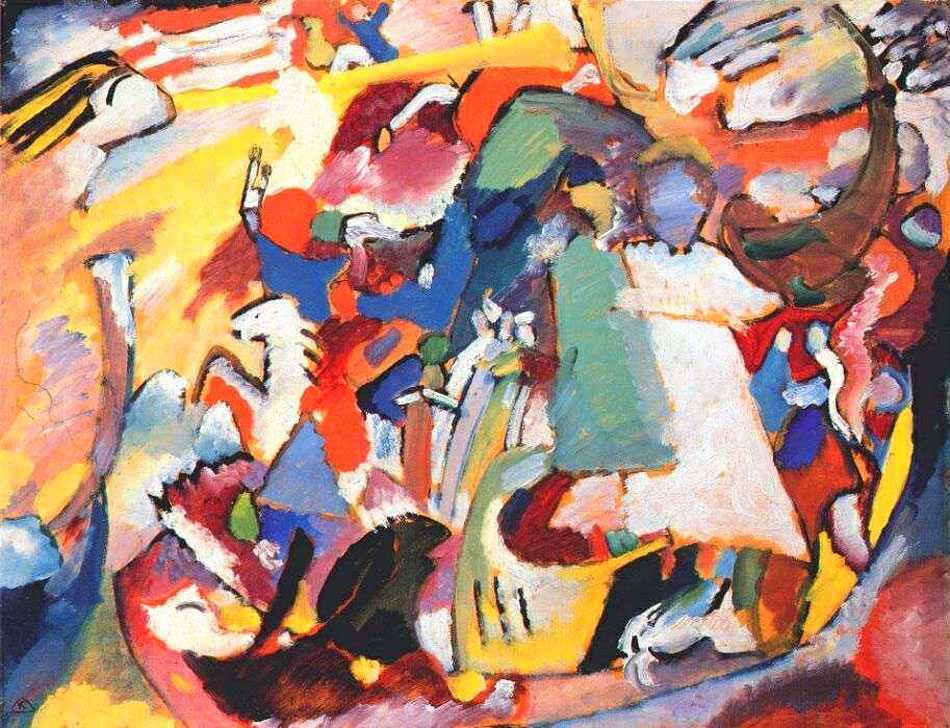
All Saints Day Prayer

 
God of Abraham, Isaac, and Jacob,
             Who lived by your covenant,
             Imperfectly but without giving up,
Make us faithful as well.

God of Adam, Moses, and David,
             Who failed spectacularly,
             Yet repented faithfully,
Make us faithful as well.

God of Rahab, Esther, and Ruth,
             Who dared much and loved much,
Make us faithful as well.

God of the Psalmists,
             Who shouted their doubts
             And sang your praises,
Make us faithful as well.

God of Isaiah, Jeremiah, and Amos,
             Who spoke your truth
Despite great opposition,
Make us faithful as well.