Showing posts with label talk back. Show all posts

Wednesday, December 5, 2012

How Dangerous Is Bangladesh? (Talk Back Series)

Talk Back Question:  I wonder how dangerous it might be to live or stay in Bangladesh?
[This question can in on a Talk Back card at our church.]

Well, visiting Bangladesh is pretty safe (or we wouldn’t be doing it).  However, we have to take some precautions.  For example, our teams are limited in size - so as not to attract too much attention - and we are careful to stay in safe places. Bangladesh is not a radical country.  There are almost no terrorists and few fundamentalists.  Overall, most of the dangers come from its poverty not from its religious situation. However, it sounds like your question is more related to a long-term stay.  Actually a few people from our church have contemplated a stay of 3-6 months in Bangladesh.  Our partners in Bangladesh said they would welcome longer term volunteers (as long as the visa can be obtained).  They could stay in Dhaka and volunteer at the national ministry center, or they could stay in Birganj (the town closest to the Village of Hope).   The main things for safety are not traveling at night and avoiding spending the night in isolated places.  Otherwise, it should be safe for a long-term stay.

Thursday, November 29, 2012

Do We Ever Get Forgiveness, Or Are We Always Sinners? (Talk Back Series)


Talk Back Question:  You said we are sinners looking for God's forgiveness.  Do we ever get forgiveness, or are we always to see ourselves as sinners?


[This question can in on a Talk Back card at our church. Answered by Shannon Smith and Josh Broward.]


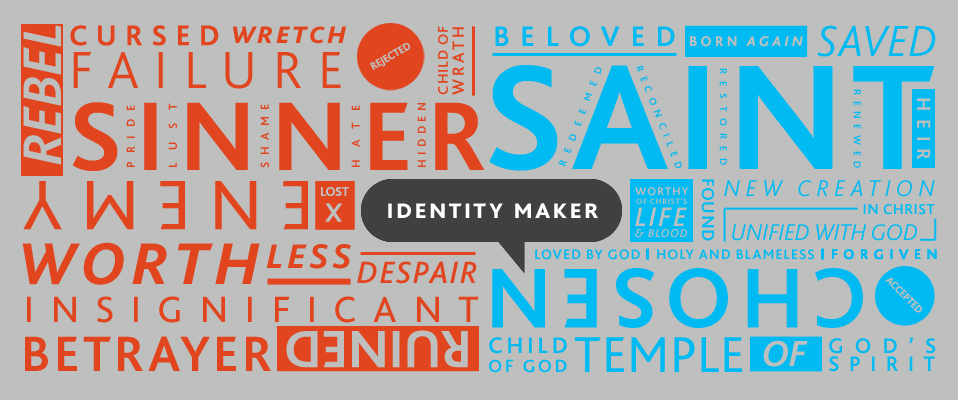
I believe we get forgiveness, but we are always sinners. Martin Luther said we are “simultaneously saint and sinner.” We have been forgiven, but we are sinners who have been saved by the grace of God. “For everyone has sinned; we all fall short of God’s glorious standard” (Romans 3:23). 
Yet at the same time, ”He has removed our sins as far from us as the east is from the west” (Psalm 103:12).  We are forgiven when we confess our sins to God and ask Him to forgive us and cleanse us.  But we still remain sinners.  
We don’t have to worry or think about whether or not we are truly forgiven. It’s easy to doubt, especially because we all know how much we have personally sinned.  But we serve a God we can trust to purify us from sin and wholeheartedly forgive us. 
And while we have this faith in a God who saves us by His mercy and grace, we are still faced with the temptation to sin daily.  Even though we are made new in Christ, we still have the capability to sin.  This is why confession and prayer are good spiritual disciplines to practice regularly. “But if we confess our sins to him, he is faithful and just to forgive us our sins and to cleanse us from all wickedness” (1 John 1:9).
The real issue here is a balance between humility (recognizing that we are broken, wounded, sinful people) and confidence (trusting in God’s love and mercy).  We are also balancing contentment (resting in God’s forgiveness) and progress (pushing on toward more holiness and Christ-like-ness).   These aren’t always easy to balance, but that’s pretty much like most things in life.


Friday, November 9, 2012

How Do You Know If God Is Saying, "Yes," "No," or "Wait"? (Talk Back Series)


Talk Back Question:  I believe that God answers all prayers, and no prayer is left unanswered and unheard.  However, how do we know God's answer - if it's a Yes, No, or Wait?
[This question can in on a Talk Back card at our church. Answered by Matt Banner and Josh Broward.]
It sounds like you already have a strong faith in God, and a true belief that God hears and answers our prayers. But all Christians struggle with this question of how to discern God’s voice and how to know what God is saying.
It would be really easy if God just spoke to us in loud, booming voice and told us what was going to happen. But, unfortunately, that has never happened for me. It takes, time, patience and maturity to learn how to discern God’s voice. But Jeremiah 29:12-13 says "Then you will call upon Me and go and pray to Me, and I will listen to you. And you will seek Me and find Me, when you search for Me with all your heart." First, we must make sure that we are seeking God and praying to Him sincerely.
Next, we must be sure that we are praying for God’s will and for things that are part of God’s guidance in our lives. It’s okay to ask for jewelry or a new wallet, but these are things that we are asking for in our own selfish way and not things that are for the glory of God. John 14:13 says “And I will do whatever you ask in my name, so that the Son may bring glory to the Father.” This is not simply invoking Jesus’ name to get what we want, but instead, it says we should ask for things in the same way that Christ would ask and in the same spirit that Christ would pray.
Thankfully, there are many guides to help us figure out how God is answering us.
  1. Scripture ~ The Bible is the inspired Word of God and often when we read the Scripture, we will remember or read something that helps us know the answer.
  2. The Holy Spirit speaking to our heart ~ Sometimes, we can feel God’s Spirit in our lives and in our prayers.
  3. Godly Counsel ~ Talking with people you know and trust in the church can help you see where God is leading
  4. The peace of God ~ Sometimes, when you are really struggling with an issue or decision, your heart will become calm and peaceful, and you know what to do or where God is leading.
  5. Circumstance/Timing ~ The actions and events around us can confirm what God is saying and sometimes those circumstances are the answer.
God sometimes speaks to us using two or more of these ways. It is important to seek out God’s answer as much as possible.  But we must also be aware that we are imperfect beings and we will make mistakes.  If we sincerely seek God and pray to God, then we can discern God’s voice.  
But sometimes, the only way to know the difference between "No" and "Wait" is to ... wait.  Sometimes, "No" and "No for now" sound exactly the same and require the same basic response from us.  We just have to release the issue to God and allow him to make his plan clear over time.

Thursday, October 18, 2012

How Can I Know If What Is Happening Is God's Will? (Talk Back Series)

Talk Back Question:  How can I know if what is happening in my life is the will of God or because of my own choices?
[This question can in on a Talk Back card at our church.]

That is a very good question to ask and the answer goes a little deeper.
Just like Habakkuk, we have to have faith in God.  We know that with the fall of human kind, sin entered into the world, and that sin can interfere in our lives.  Let’s look at 1 John chapter 5: 
“Everyone who believes that Jesus is the Christ has become a child of God. And everyone who loves the Father loves his children, too. 2 We know we love God’s children if we love God and obey his commandments. 3 Loving God means keeping his commandments, and his commandments are not burdensome. 4 For every child of God defeats this evil world, and we achieve this victory through our faith. 5 And who can win this battle against the world? Only those who believe that Jesus is the Son of God.”
In 1 John 5, we learn that if we believe that Christ is our savior and we love him, we will carry out his commands. By carrying out his commands we overcome the world!  This passage is letting us know a few miraculous blessings from God. 
  1. When we confess and are saved by Jesus Christ, we are reborn into God’s family and we are His children. Just like when we were children, we follow and listen to our parents. We must do the same with God!
  2. That we need to know God’s commands.  How? By reading, studying and understanding the word of God –the Holy Bible. 
  3. If we follow his commands and seek God’s will, then we do not have to worry about what is happening in our lives! We know that God is in control.

Also, from 1 John 5:
14 And we are confident that he hears us whenever we ask for anything that pleases him. 15 And since we know he hears us when we make our requests, we also know that he will give us what we ask for.
These verses show us that when we talk to God, we don’t demand what we want. When we become Christians, we become slaves to Christ (Ephesians 6:6) and to God. Our will, our thinking is no longer about us!  It is about God’s will!  When we pray for God’s will, he will listen to us, and we can be certain that he will intervene in our lives.
So how does this answer the question?  Well, if we are seeking God and His will, we can be confident that no matter what happens, God will guide us.  We must pray and seek guidance and have confidence that God is showing us His will. Sometimes God is very direct, and sometimes he is not.  He did give us a free will to choose and God wants us to be happy serving Him.  Sometimes the choices may be entirely up to you!  God doesn’t nitpick out lives!  Trust in God, and your prayers. 

[Answered by our youth pastor, Adam Jantz.]


Friday, September 28, 2012

Is It Acceptable to Study on the Sabbath? (Talk Back Series)


Question: Is it acceptable to study on the Sabbath?
[This question can in on a Talk Back card at our church.]

Unless we want to be really legalistic, we can’t say that studying is NEVER allowed on the Sabbath.  But let’s think about the Ten Commandments in Exodus 20: 8-11.  God says, "Remember to observe the Sabbath day by keeping it holy.  You have six days each week for your ordinary work, but the seventh day is a Sabbath day of rest dedicated to the Lord your God.  On that day no one in your household may do any work.  This includes you, your sons and daughters, your male and female servants, your livestock, and any foreigners living among you.  For in six days the Lord made the heavens, the earth, the sea, and everything in them; but on the seventh day he rested. That is why the Lord blessed the Sabbath day and set it apart as holy."  
This passage - along with loads of others - talks about "keeping the Sabbath holy".  God created the world and everything in it in six days, but on the seventh day, he didn't work.  He rested. 
One thing we need to consider is whether or not studying is actual work.  In our sermon series on Sabbath, we have talked a lot about making sure that we don't do anything on the Sabbath that we consider to be work.  For students, school and studying is basically their job.  They work hard at it - harder in Korea than in any other developed nation.  We all need a break sometimes, and the Sabbath is the break that God knew we would need.  If students are studying on the Sabbath, are they really getting a break?  Are they really able to take time to de-stress, not worry about grades or test scores, or just have fun with their friends and family? 
In the 10 commandments, God said that not only the parents or adults who have a job are to rest from their work, but even the children, servants, animals and foreigners should observe the Sabbath.  No one was excluded from the command to rest. 

Tuesday, September 25, 2012

Why does God create people with mental illnesses? (Talk Back Series)


Why does God create people with mental illnesses (i.e. depression, bipolar disorder, etc.)? 
[Answered by Shannon and Josh]

  This is not the easiest question to answer because there isn’t any clear answer in Scripture about this.  Genesis 1:27 says that we are "created in the image of God".  If we are created in the image of God, then God doesn’t create people with any illness, whether mental or physical. 
Many people attribute illness and disabilities to “the fall of man” in Genesis 3.  There is some justification for this, because before Adam and Eve ate the fruit, they didn't know any wrong or even that they were naked.  At the fall, sin entered the world.  There was now the opportunity for people to choose between good and evil.  
God didn't create all of the bad things that happen to people and all of the suffering that many people face.  People throughout the generations have chosen to disobey God and to live sinful lives. We are all born sinners, and sin and its consequences have been passed on from generation to generation. Because of this, there have been negative results on our world and in our lives as human beings.  People are born into a world that is literally being destroyed by the people living in it.  
On the other hand, when Jesus was asked about the reason for the man's blindness in John 9:1-3, Jesus said that his blindness was not because of his sin or his parent's sin, but to bring glory to God.  That's not that reassuring for someone who is suffering with an incurable disease or a mental illness, but God has used the faith and lives of many people who have suffered to draw people to himself and to bring glory to His name.  
When we are suffering with something, it's really hard to be positive and think about the good that can come from a situation that we are going through. After we get through it though, we often look back and realize that God was with us the whole time and that we were never alone. Through everything that we have faced or are facing, God walks with us, and we can praise Him for strengthening us, healing us, and sustaining us regardless of what we are going through.   
       Also, the collective effects of human sin throughout the world are basically an un-creation, a descent into chaos.  However, God is constantly working for re-creation, healing our brokenness, setting things right.  God wants us to be healthy and whole here in this life, and God is working through his Spirit and people to move us toward more health.  But eventually, when Jesus comes again, he will set everything right.  He will make everyone whole and cure every disease and heal every wound.  For now, we keep taking baby steps toward healing in God's love, but we also look forward in hope to the total healing God will eventually give.


Saturday, September 22, 2012

Why do so many people do good with bad results or do bad and are constantly blessed? (Talk Back Series)


Question: I 1000% disagree that what you plant, you harvest. Why do so many people do good with bad results or do bad and are constantly blessed?

There are several ways to answer your question.  Each answer is a little different, but all are true.
  1. There is the idea of what it means to have bad results.  As Christians, we believe in the idea of God controlling ultimate justice. There are eternal consequences, both good and bad, for our actions here on Earth.  In the end, we are subject to God's judgement.  (See Psalm 1: “How blessed is the man who does not walk in the counsel of the wicked...but his delight is in the law of the Lord...for the Lord knows the way of the righteous, but the way of the wicked will perish.”) Blessings are not derived from health, wealth or earthly success, but by knowing and living with and for Christ. John 17:3 talks about eternal life in knowing Jesus. If we envy the wicked, we are being shortsighted. 2 Corinthians 4:17 says that the suffering of the righteous is nothing compared to the weight of glory.
  2. Often, when we think about God giving us good and bad things, we tend to think of people being either good or bad.  We say, why do bad things happen to good people and why do good things happen to bad people?  The truth is, none of us are good people.  We are all sinners, and we all deserve death and hell.  But we are saved by God's great grace and mercy. Romans 5:8 states: “God demonstrates his own love for us in this: while we were still sinners, Christ died for us.”  All of the good in our lives is already from God, and God loves all of us, even those who have not accepted Christ.
  3. The idea that we reap what we sow is more the idea that if we treat others well and with love, then that often comes back to us in the form of love and friendship and seeing good happen to those we care about.  Those who live lives that are selfish and uncaring may still gain fame and fortune, but they will drive people away from them.  Eventually, people will see through someone and will know a snake when they see one. 
  4. Often, the Bible actually presents two sides of the same issue.  The “reap what you sow” concept that Josh talked about last week is a great example of this.  Some parts of the Bible (like Proverbs) speak heavily toward justice here and now on earth.  The basic premise of Proverbs is that if you make wise choices, you will be blessed in this life.  This is the basic “rule of life,” the way life normally operates.  If you eat well and exercise, you are probably going to be pretty healthy.  However, if you eat pizza and icecream while watching TV all day, you’re going to need a fork lift to get out of bed by the time you’re 50.  You reap what you sow.  However, other books of the Bible speak more to the “exception to the rule.”  Sometimes, even if you do everything right, you’ll still get cancer and die at 30.  Sometimes, life simply isn’t fair.  Ecclesiastes is a book that goes more in this direction.  Both are true.  There are definitely basic principles for wise and healthy living, but just like English grammar, there are always annoying exceptions to the rules.

(Answered by Matt and Josh)

Sunday, August 5, 2012

Who killed King Saul and Crown Prince Jonathan? (Talk Back Question 2)


The Israelites were at war with the Philistines in the Jezreel Valley, and the Philistines attacked on the slopes of Mount Gilboa.  They killed three of Saul’s sons - including Jonathan.  A Philistine archer severely wounded Saul.  Seeing that he would be captured, Saul killed himself by falling on his sword.  This ceremonial suicide was an ancient way to preserve honor in defeat.
By the way, since he was on the outs with Saul at this time, David was not involved in this battle.  (See 1 Samuel 31.) 
Also, cool ... check out this fascinating painting of this scene by Pieter Bruegel the Elder 


Friday, August 3, 2012

Why Did Saul Want to Kill David? Out of Jealousy? (Talk Back Question 1)


[This is the first in a new series.  Each week we're giving people at church the opportunity to ask questions about the sermon, about the Bible, or about life in general.  We'll answer some of the questions once a month, and we'll try to answer all of the questions here.  If you're a blog reader, feel free to post your question in the comments section.]

Basically, yes.  Saul was jealous of David - insanely jealous - as in he was literally crazy at times.  Because of Saul’s disobedience, God withdrew his blessing from Saul and put his blessing on David.  David began to succeed more and more, and Saul became weaker and weaker.  Apparently the event when Samuel anointed David as king was still mostly a secret, but everyone in Israel could see that David was becoming the national hero instead of Saul.  Saul became increasingly jealous and afraid.
The really difficult part of this story is that multiple times 1 Samuel says God sent “a tormenting spirit” upon Saul, which sometimes sent Saul into depression and sometimes made him “rave like a madman.”  Several times when this happened, Saul threw a spear at David - always just missing.    
In chapter 19, the story takes a turn for the worse, and Saul began to pursue David with the army.  That started a long drama of David running from Saul, yet remaining faithful and loyal to Saul all the while.  Twice David could have killed Saul but didn’t.  David only made a move to be king after Saul and Jonathan were dead.  (See 1 Samuel 16-26.)